

Backlinks have been a core ranking factor in search engine optimization for years. As search algorithms evolve, many marketers question whether links still carry the same weight. The short answer is yes, but with important changes in how they are evaluated.
If you are asking, How important are backlinks for SEO in 2026?, the answer lies in understanding how search engines now prioritize quality, relevance, and context over sheer volume.
What Are Backlinks and Why Do They Matter?
Backlinks are links from one website to another. They act as signals that indicate trust, authority, and relevance. When a credible site links to your content, search engines interpret it as a sign that your content has value.
Role of Backlinks in Search Rankings
Backlinks contribute to:
- Improving domain authority
- Increasing organic visibility
- Enhancing content credibility
- Supporting faster indexing
However, their role is no longer isolated. Backlinks now work alongside content quality, user experience, and topical authority.
Evolution of Backlinks in SEO
The way backlinks influence rankings has changed significantly.
From Quantity to Quality
Earlier, websites could rank by acquiring a large number of links, regardless of their source. In 2026, this approach no longer works. Search engines evaluate:
- Relevance of linking domains
- Context of the link placement
- Authority of the referring site
- Natural link patterns
Contextual Relevance Matters More
A backlink from a niche-relevant website carries more weight than multiple links from unrelated sources. For example, a finance blog linking to another finance-related article is more valuable than a general directory link.
How Important Are Backlinks for SEO in 2026?
Backlinks remain one of the strongest ranking signals, but their importance is now more refined.
Authority Signal, Not the Only Signal
Backlinks still indicate authority, but they are no longer enough on their own. A page with strong content and fewer high-quality links can outrank a page with many low-quality links.
Trust and Credibility Factor
Search engines use backlinks to assess whether your content can be trusted. Links from well-established domains act as endorsements.
Competitive Advantage
In competitive niches, backlinks often make the difference between ranking on page one or remaining invisible. Sites with strong link profiles tend to perform better over time.
Types of Backlinks That Matter in 2026
Not all backlinks are equal. Understanding which types matter helps build an effective strategy.
Editorial Backlinks
These are earned naturally when other websites reference your content. They are considered the most valuable.
Contextual Backlinks
Links placed within relevant content provide strong SEO signals due to their natural placement.
Niche-Specific Backlinks
Links from industry-related websites strengthen topical authority and improve rankings.
Branded and Anchor Text Diversity
Using varied anchor texts, including branded and partial-match keywords, helps maintain a natural link profile.
Backlinks vs Other Ranking Factors
While backlinks are important, they are part of a broader SEO ecosystem.
Content Quality
High-quality content attracts backlinks naturally. Without valuable content, link-building efforts may not deliver long-term results.
User Experience
Factors such as page speed, mobile responsiveness, and engagement metrics influence rankings alongside backlinks.
Topical Authority
Websites that consistently publish content around a specific subject tend to build authority faster, supported by relevant backlinks.
Common Backlink Mistakes to Avoid
Even in 2026, many websites make mistakes that limit their SEO performance.
Focusing on Quantity Over Quality
Acquiring a large number of low-quality links can harm rankings instead of improving them.
Ignoring Relevance
Links from unrelated niches do not provide strong SEO value.
Over-Optimized Anchor Text
Using the same keyword repeatedly as anchor text can appear unnatural and may lead to penalties.
How to Build Backlinks Effectively in 2026
A sustainable backlink strategy focuses on value and consistency.
Create Link-Worthy Content
Publish research-based articles, guides, and data-driven content that others want to reference.
Guest Posting on Relevant Sites
Collaborating with niche websites helps earn contextual backlinks.
Digital PR and Outreach
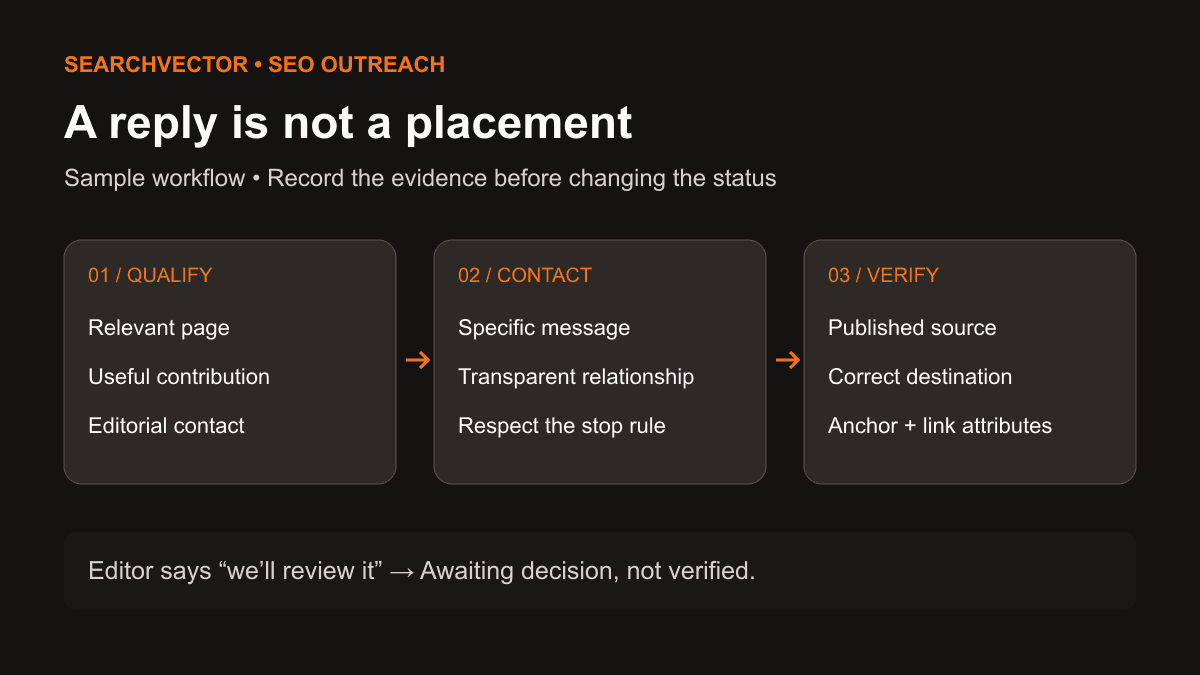
Building relationships with publishers and bloggers increases the chances of earning high-quality links.
Internal Linking Support
While not backlinks, internal links help distribute authority across your website and improve overall SEO structure.
Future of Backlinks in SEO
Backlinks will continue to be relevant, but their evaluation will become more sophisticated.
Search engines are increasingly focusing on:
- Link intent and placement
- Content relevance around the link
- User engagement signals
- Authentic linking behavior
This means that manipulative link-building tactics will continue to lose effectiveness.
Conclusion
Backlinks remain a critical part of SEO strategy, but their role has evolved. If you are evaluating How important are backlinks for SEO in 2026?, the answer is clear: they are still essential, but only when built with quality, relevance, and intent.
A balanced approach that combines strong content, user-focused optimization, and high-quality backlinks will deliver the most sustainable results in search rankings.