
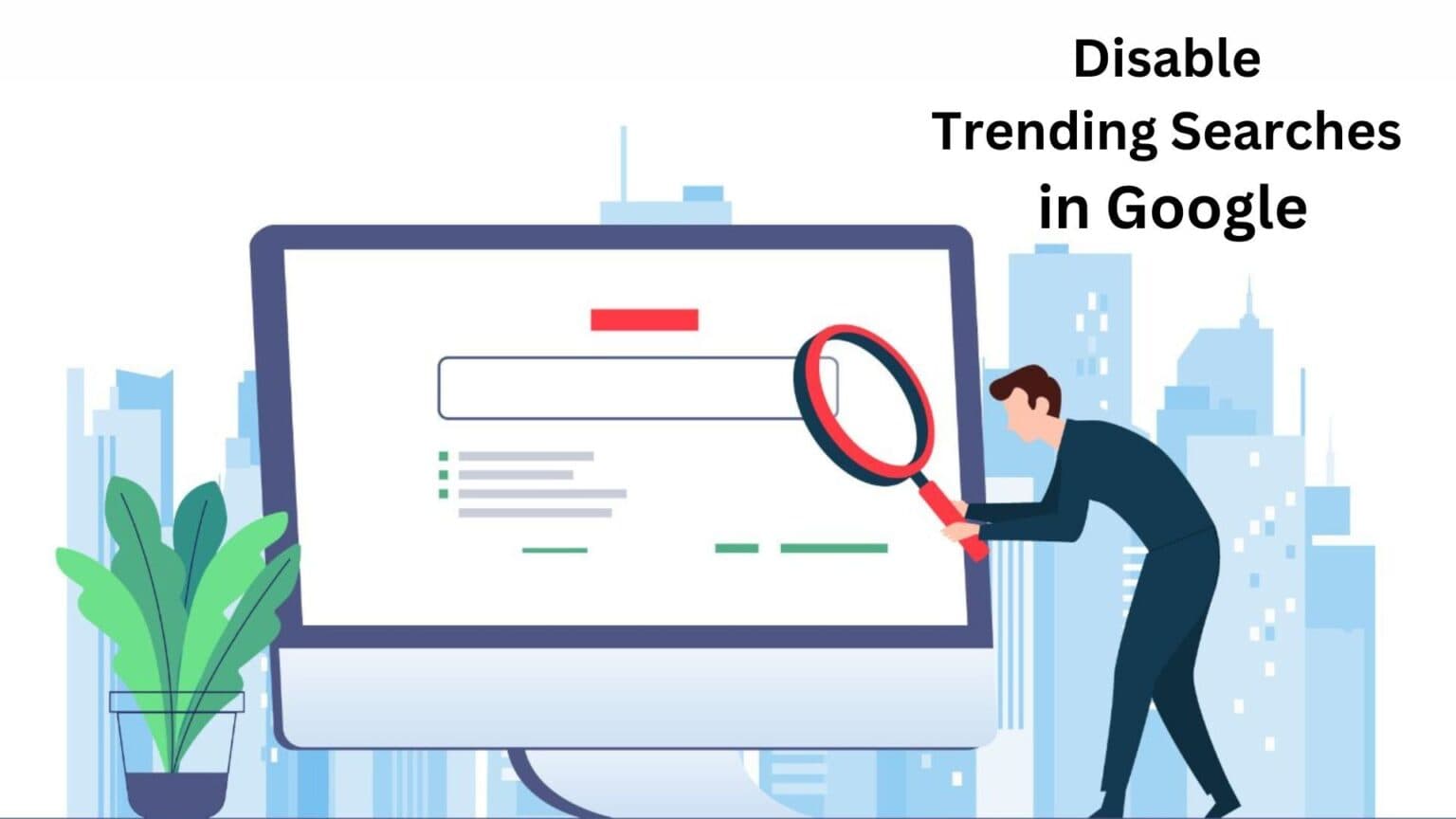
When you begin typing a query in Google, the search bar instantly displays trending suggestions and autocomplete predictions. These recommendations are generated using aggregated search behavior, location trends, and real-time activity patterns. While this feature is designed to speed up searches, not every user prefers seeing trending or popular suggestions.
If you want a cleaner interface and more control over what appears while typing, you can disable trending searches. Below is a fresh, simplified guide explaining how the feature works and how to manage it effectively.
Understanding Google’s Trending Search Suggestions
Google’s autocomplete system analyzes billions of searches to predict what users might type next. It studies:
- Frequently searched keywords
- Current trending topics
- Regional and language-based behavior
- Recent spikes in search demand
Based on this data, Google shows popular or trending suggestions even before you finish typing your query. This system improves speed and efficiency but may sometimes feel intrusive or distracting.
Why Some Users Prefer to Turn It Off
Although autocomplete is useful, there are valid reasons to disable trending searches:
- Avoid distractions while typing
- Reduce exposure to unrelated trending topics
- Maintain a focused browsing experience
- Minimize personalized search prompts
- Improve perceived privacy
Disabling trending suggestions does not stop Google search functionality. It simply removes popular search prompts from appearing in the search bar.
How to Disable Trending Searches on Different Devices
On Desktop (Windows or Mac)
- Open your browser and visit Google.com.
- Scroll to the bottom of the page.
- Click Settings.
- Select Search Settings.
- Find the section labeled Autocomplete with trending searches.
- Choose Do not show popular searches.
- Click Save.
Once saved, trending suggestions should stop appearing.
On Android Devices
- Open your browser or Google app.
- Tap the menu icon.
- Select Search Settings.
- Locate Autocomplete with trending searches.
- Choose Do not show popular searches.
- Save your changes.
On iPhone
- Open the Google or Chrome app.
- Tap your profile icon.
- Go to Settings.
- Select General.
- Turn off Autocomplete with trending searches.
- Confirm and save.
Using Incognito Mode
If you prefer temporary privacy:
- Open a new Incognito window.
- Visit Google.com.
- Adjust search settings the same way as described above.
Incognito mode limits saved history, though trending suggestions may still appear unless disabled in search settings.
What to Do If Trending Searches Still Appear
Sometimes changes do not apply immediately. In that case, try the following:
Restart the Browser
Close all browser windows completely and reopen them to ensure settings are refreshed.
Clear Cache and Cookies
Stored cookies may prevent settings from updating. Clearing browsing data can help apply changes properly.
Update Your Browser
Outdated versions of Chrome or other browsers may not process new settings correctly. Updating ensures full compatibility.
Reset Browser Settings
If nothing works, resetting the browser to default settings may remove persistent autocomplete behavior.
Final Thoughts
Trending search suggestions are designed to enhance speed and convenience. However, if you prefer a distraction-free and controlled browsing experience, disabling them is simple and effective.
By adjusting your search settings and maintaining updated browser preferences, you can personalize Google’s search behavior according to your needs while maintaining a focused and streamlined experience.